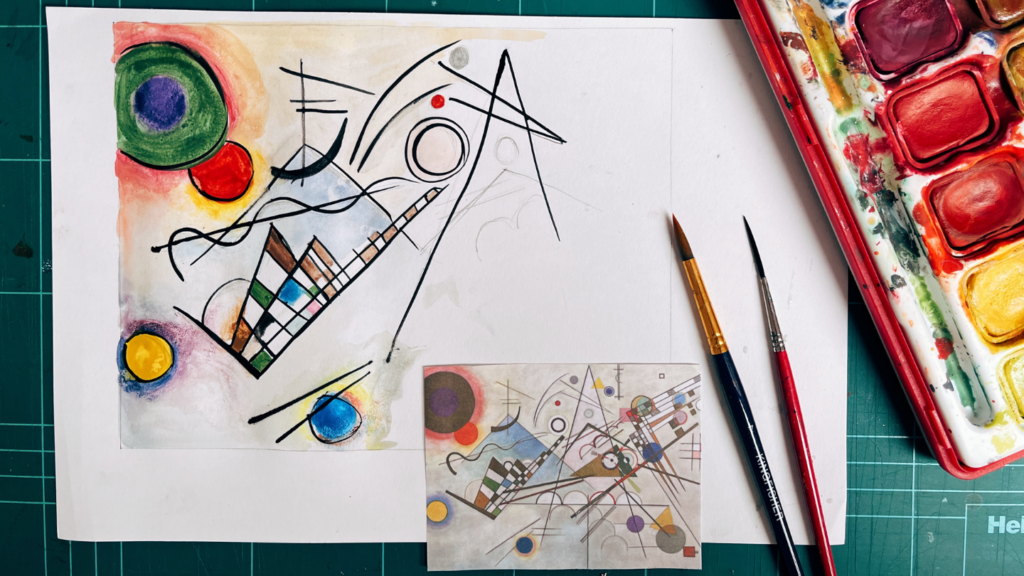
At Aced Qualifications, we are always talking about creativity as more than just a subject. For us, it is the beating heart of learning. As a small provider with a big heart, we have seen first-hand how creative exploration gives learners the confidence to try new things, the courage to solve problems in their own way, and the joy of expressing themselves without limits.
One of the great gifts of home education is the flexibility to weave creativity into everyday life. In mainstream schools, art and imagination are often pushed aside by the pressure of exams and timetables. At home, you can make space for those sparks of curiosity that lead to so much more.
Why creativity matters
When learners experiment with colour, explore the textures they see on a nature walk, or even build a model to understand a science process, they are not just “doing art”. They are learning transferable skills: problem solving, independence, resilience and the ability to think differently. In today’s world, where facts can be pulled up at the touch of a button, those are the skills that truly stand out.
Simple ways to nurture creativity
You do not need a fancy studio or endless supplies. Often, the most inspiring creative moments come from the ordinary. Here are some practical ideas to try at home:
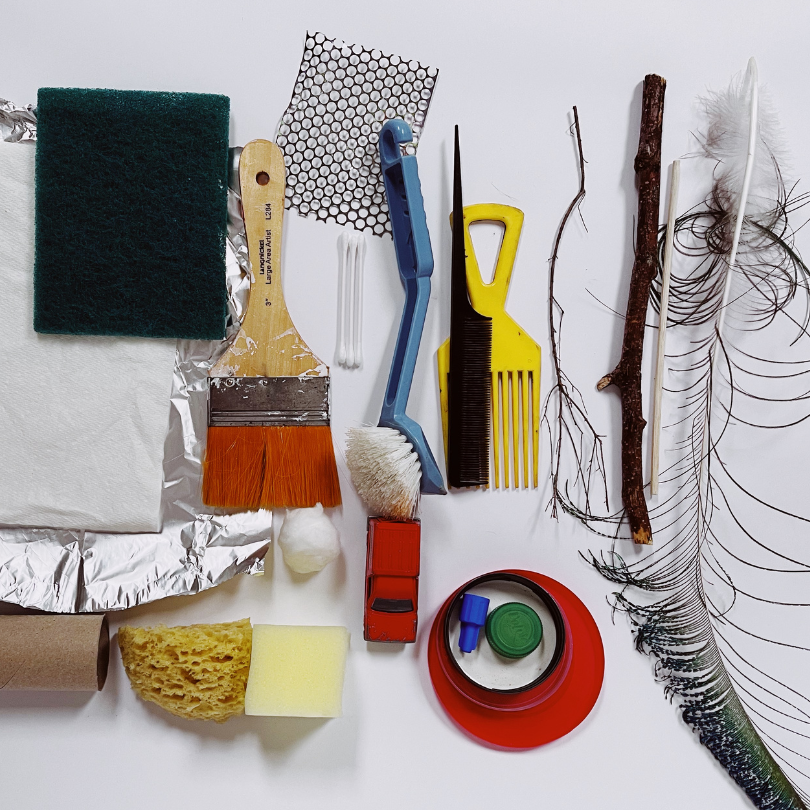
- Start small. Introduce a single creative prompt each week. Ask your learner to sketch their favourite object, design a snack wrapper, or dream up a logo for a made-up business.
- Look closely. Head out with a phone camera and challenge them to capture five interesting textures, colours or shapes.
- Blend subjects. Link creativity with other areas of study. Illustrate a science process, design a poster for a history theme, or create a playlist for a novel they are reading.
- Celebrate the process. Some of the best learning happens when things do not go to plan. Encourage experimenting without worrying about “getting it right”.
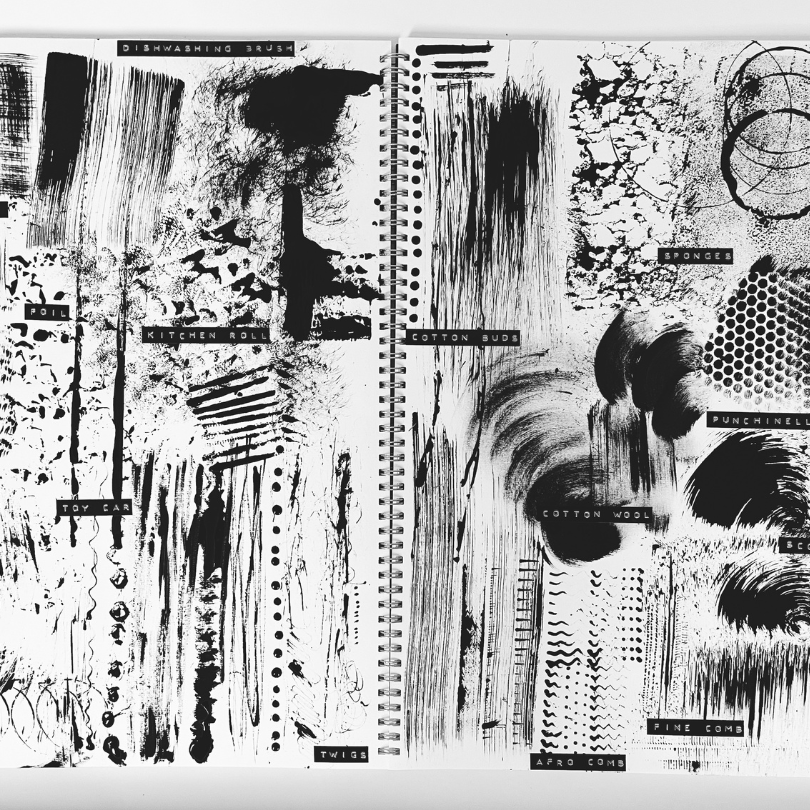
- Play with materials. Use what is around you. Recycled packaging, natural materials, even kitchen foil or string can be explored for texture, form and pattern.
- Collect inspiration. Start a “creative jar” where everyone can jot down prompts, themes or random ideas. When you need a spark, pick one at random.
- Make it collaborative. Create a family zine, a shared scrapbook or even a short video project. Working together brings in teamwork too.
- Mix digital and hands-on. Pair photography or digital design with drawing, painting or printmaking so learners see how different mediums can connect.
- Reflect and record. Keep a sketchbook, scrapbook or digital folder. Seeing progress over time builds confidence and shows creativity is valued.
From sketchbooks to digital portfolios
Recording creative work is powerful. A simple sketchbook or a digital portfolio on Canva becomes a diary of growth. It is motivating for learners to see how far they have come, and these portfolios are also increasingly recognised by colleges as meaningful evidence of ability. Many of our own learners have stepped up to Level 3 courses in art, design and photography thanks to the portfolio-based qualifications they have built with us.