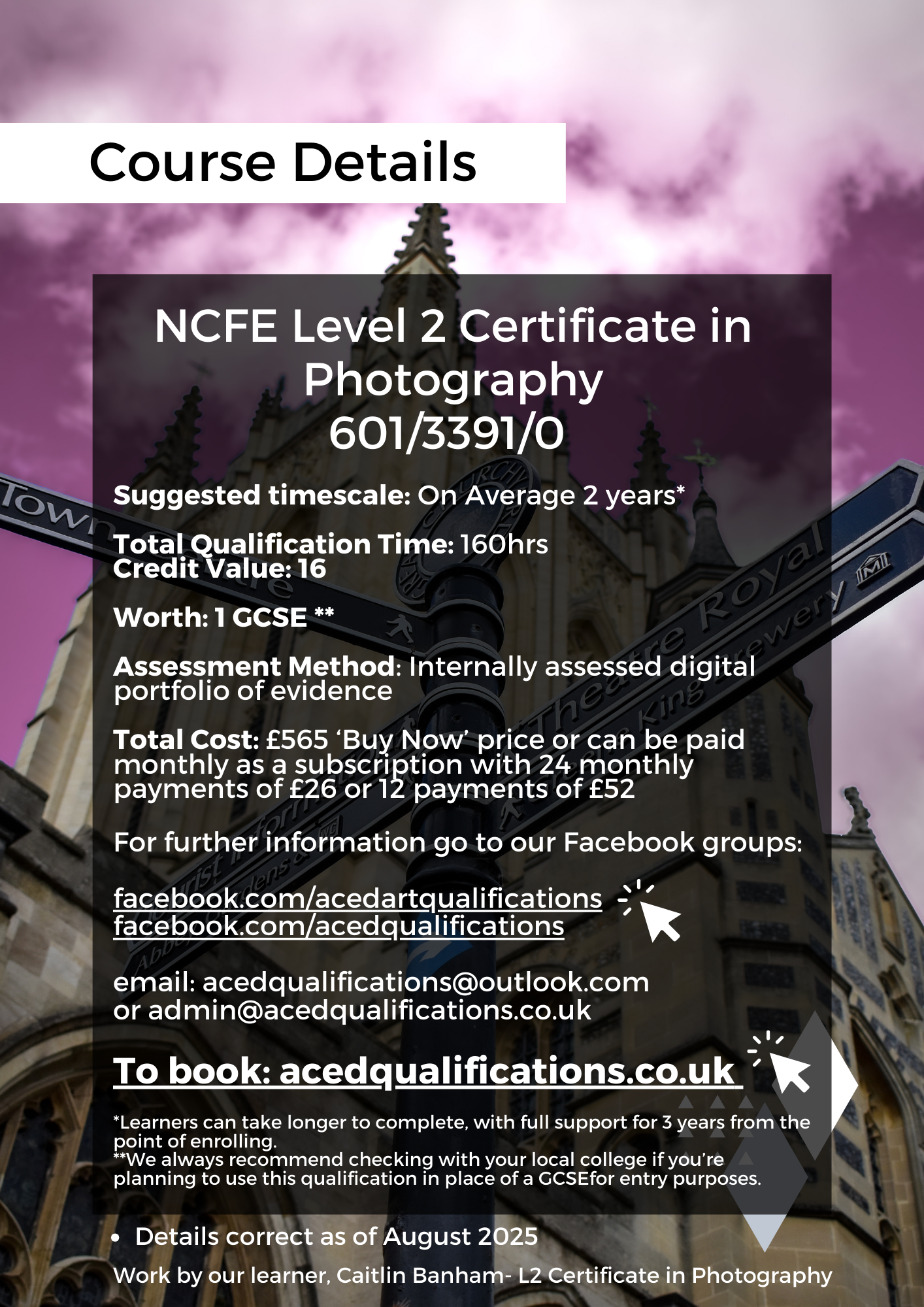
£62.40 per month

£26 per month
Flexibility in Mind
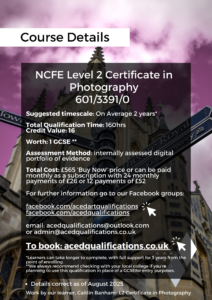
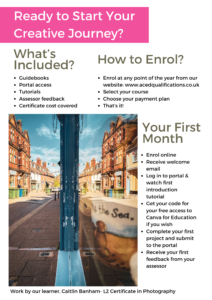
This course has been designed as a 1 or 2 year course, although as all qualifications with Aced this is flexible. There are no fixed deadlines or end of course exam therefore learners can work at a pace that is suitable for them.
Course Overview
- Entry Requirement: No formal quals required. No minimum age requirements. Guide of 13/14yrs to start.
- Durations: Designed as a 2 yr course based on 2-3hrs per week, however completion time is flexible.
- Requirements: Computer with internet connection, phone camera or better and a selection of art resources.
- Enrolment: Enrol anytime! There are no enrolment windows to wait for, so learners can start straight away!
- Awarding body: Accredited with NCFE.
- OFQUAL regulated: 601/3391/0
- Level: Level 2 qualification.
- Total Qualification Time (TQT) : 160 hours
- Learner evidence: 100% Portfolio assessed (internally assessed and externally moderated. No exam!).
- Total cost: £565 ‘one off’ payment or a monthly subscription of 24 instalments of £25 or 10 instalments of £60.
- Course structure: There are 10 Modules in total.
- Worth: 16 Credit value / 1 GCSE, comparable to grade 4-9/A-C *
- * However we always suggest checking with your local college if requiring in place of a GCSE.
- The pay-in-full discounted rate of £565 is available exclusively to home-educating families who are privately funding their course. Local Authority bookings, or enrolments funded through external agencies, will be charged at the standard course price of £624. This ensures the discount is passed directly to the families it was designed to support.

Who is this Qualification For?
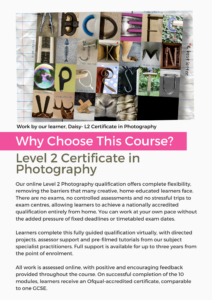
If you have a learner who is passionate about capturing images, wants to develop their technical skills and enjoys exploring their creativity through photography, this Level 2 Photography course is the perfect fit for them; completely online and flexible to suit their lifestyle.
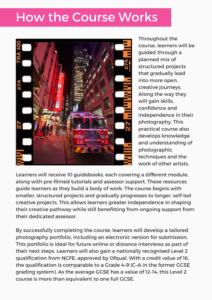
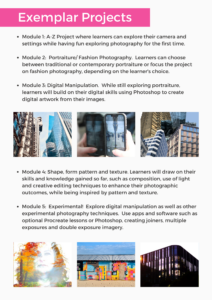
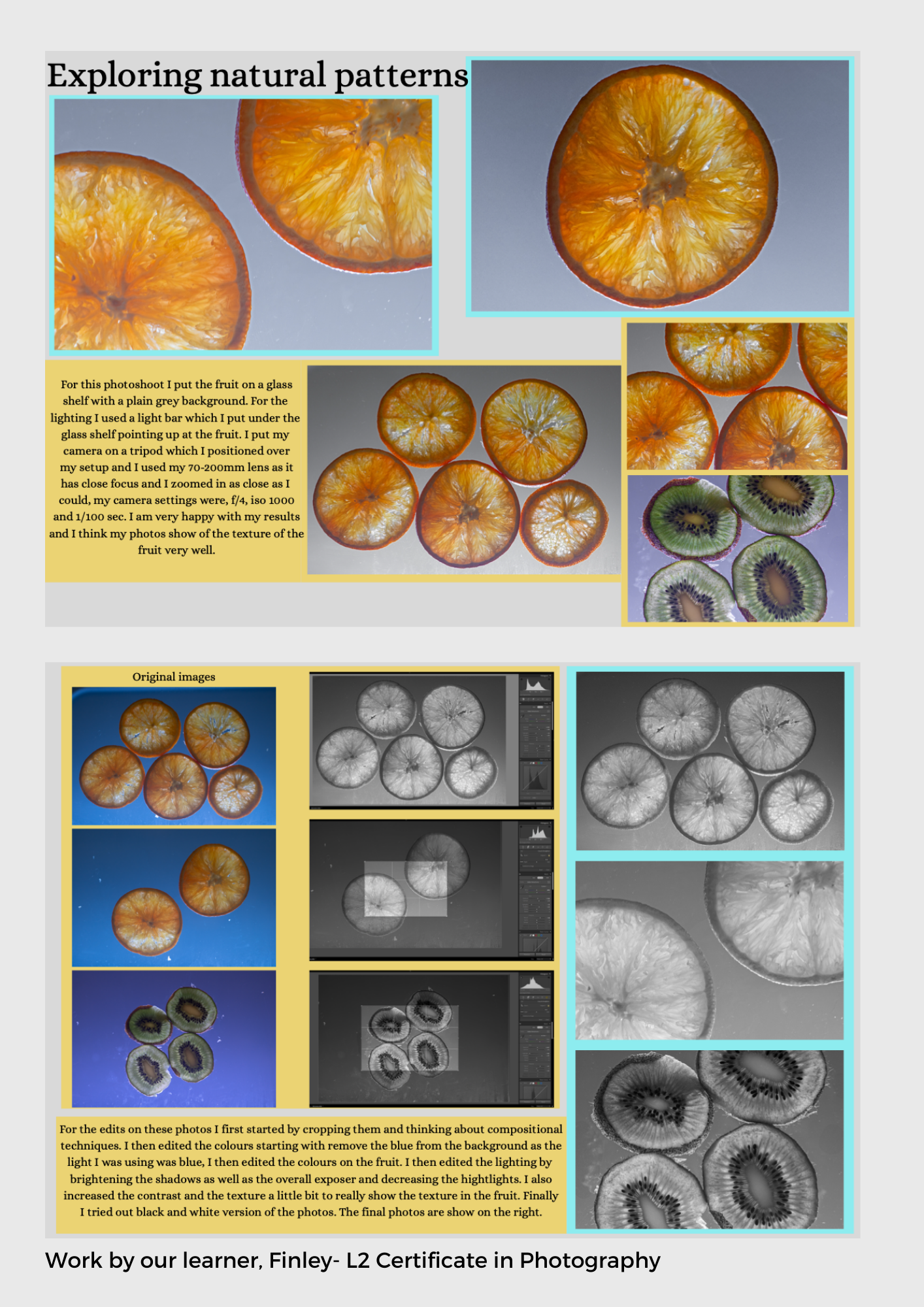
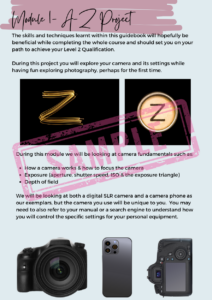
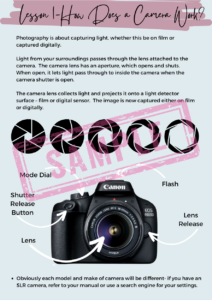
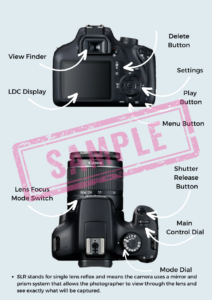
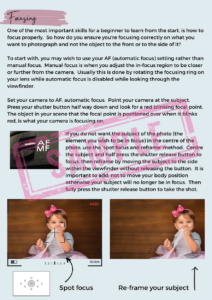
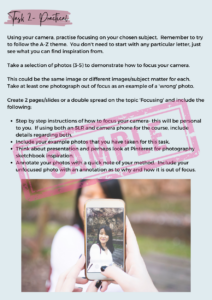
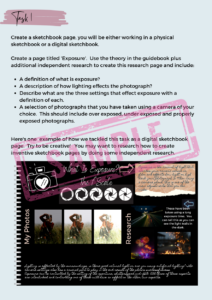
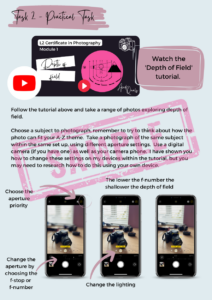
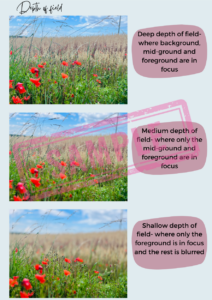
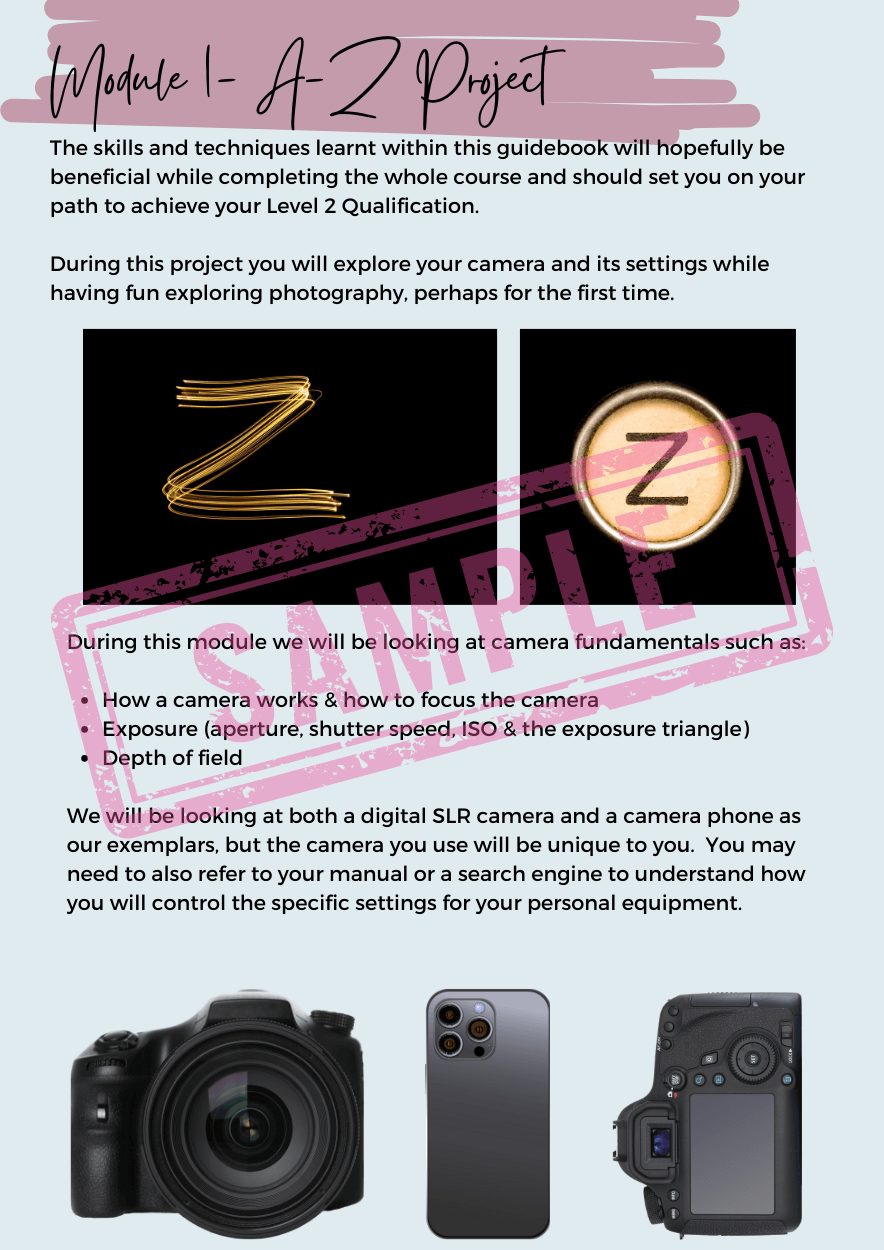
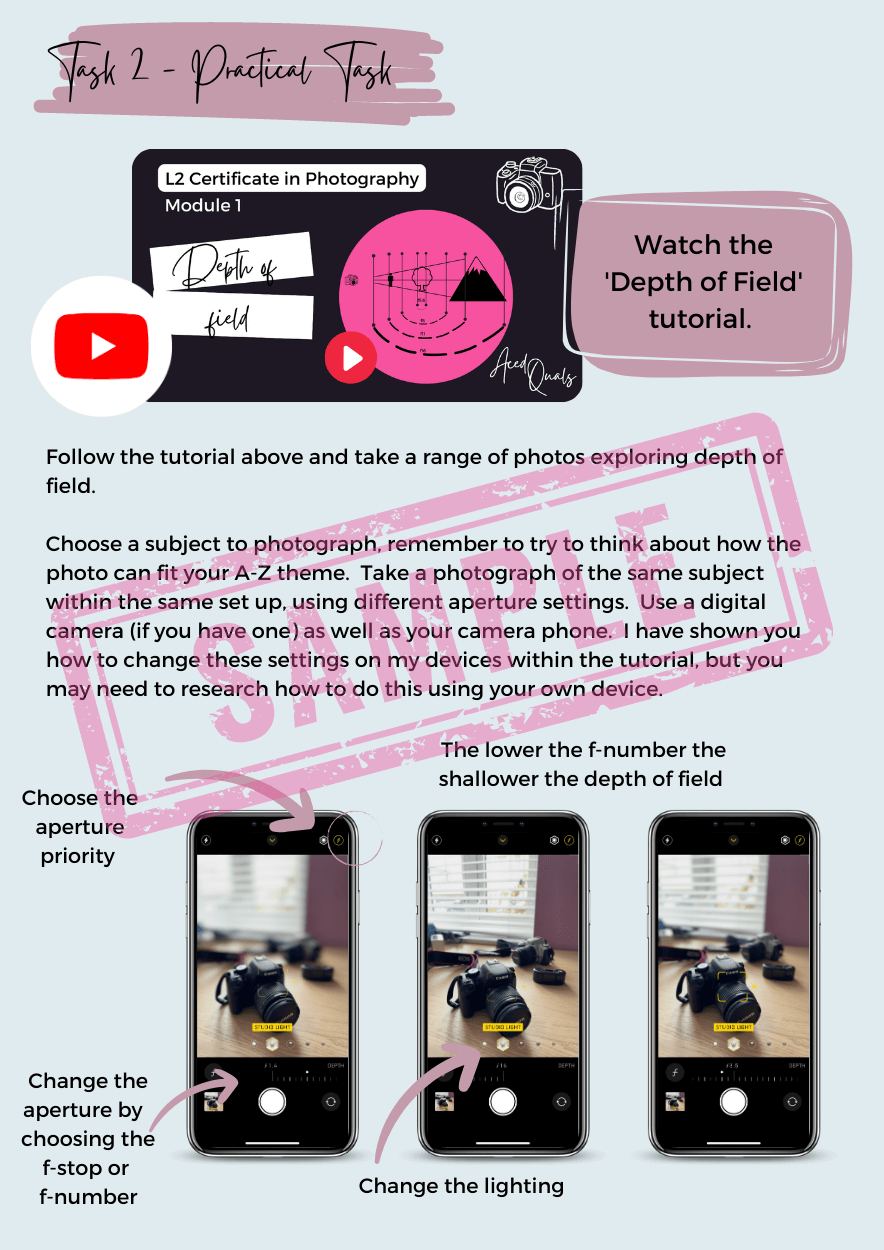
Learners will develop their skills by making the most of their camera phones or settings on their SLR cameras. The course covers essential techniques such as composition, lighting, the exposure triangle, and depth of field. Additionally, students will learn digital editing skills, including using third-party software and filters to creatively enhance and improve their images.
Whether you or your learner is looking to kickstart a career in photography or as a stepping stone to further qualifications, this alternative to GCSE Photography may be the choice for you?
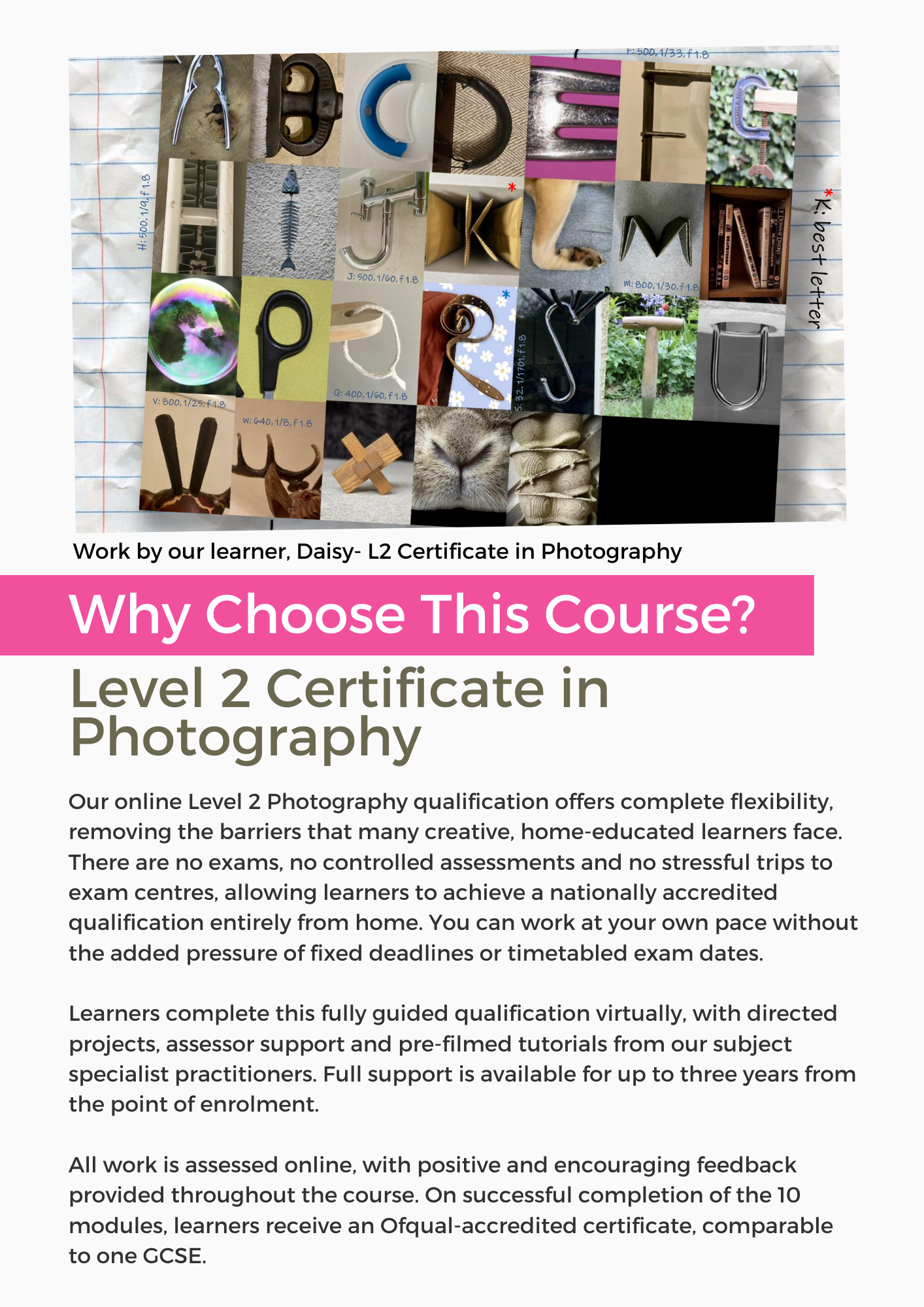
We offer complete flexibility in our approach, removing the barriers creative, home educated learners face. No exam, no controlled assessment and no stressful trips to exam centres are required, enabling learners the chance to achieve nationally accredited courses from home. Learners can work at their own pace without the added anxiety attached to fixed deadlines and timetabled exam dates.
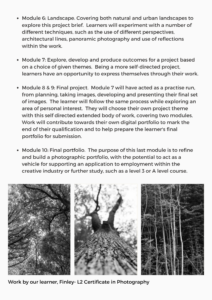
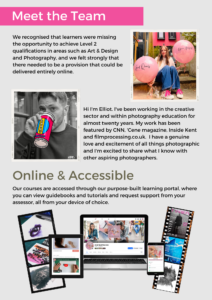
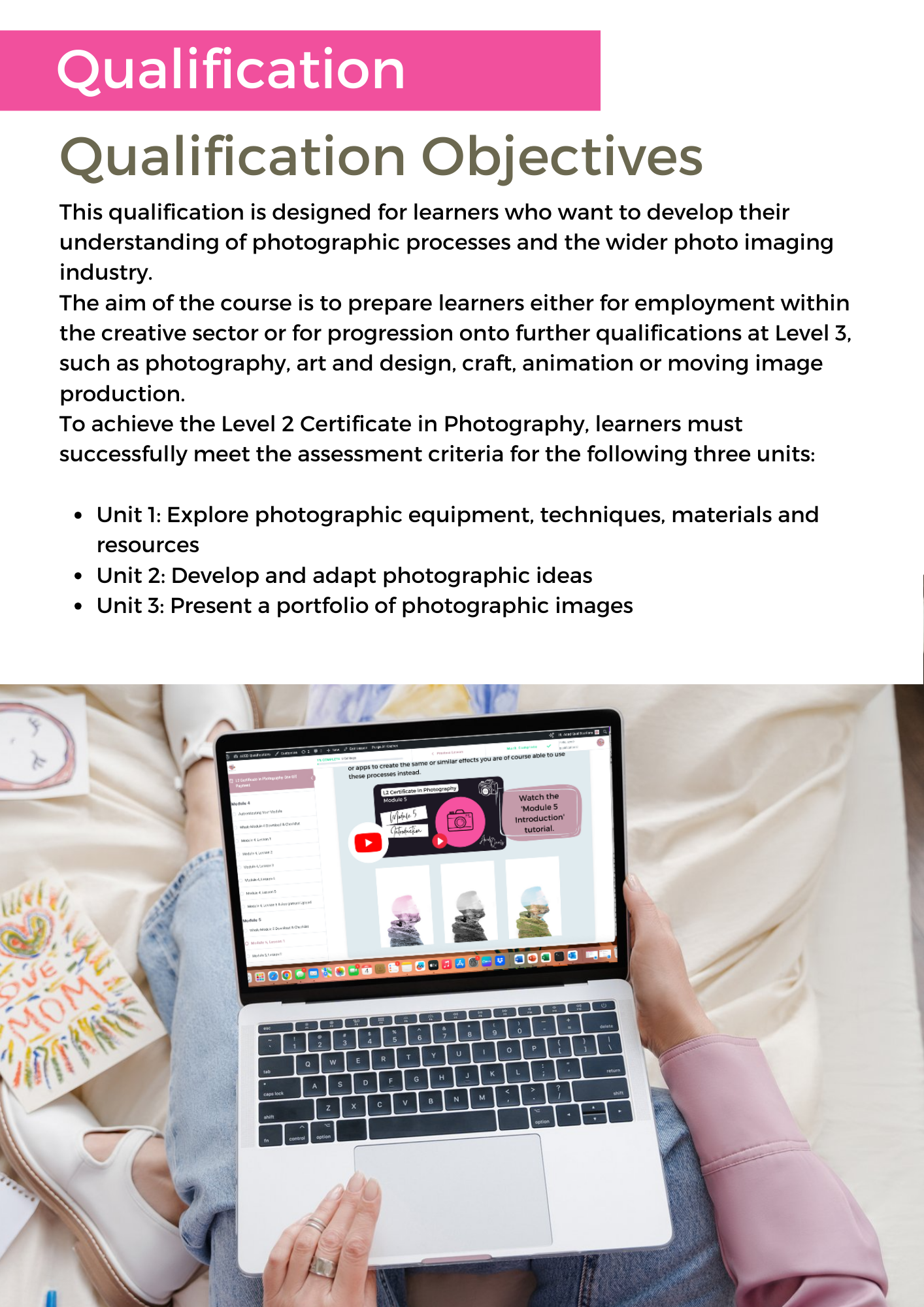
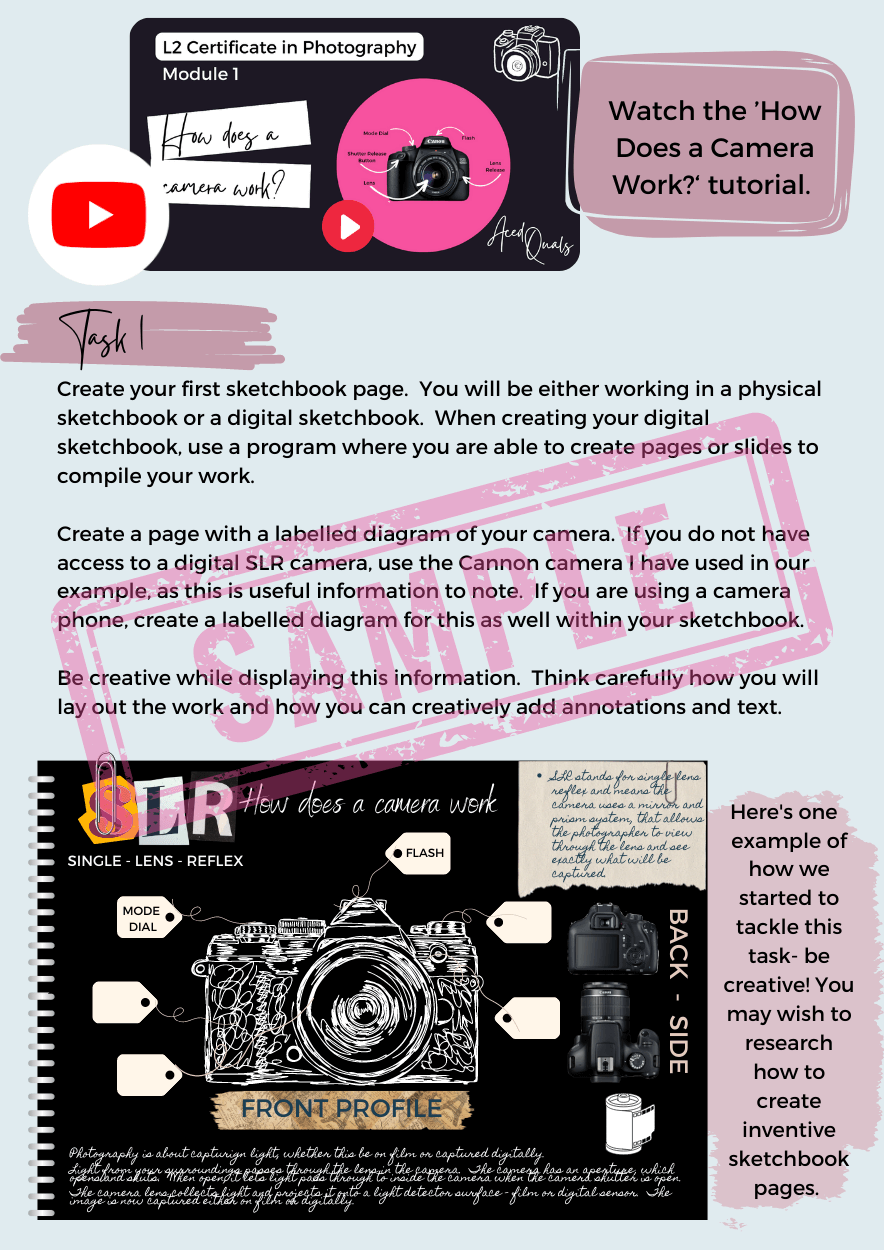
Learners will complete this fully guided qualification virtually, with the help of exciting, directed projects, assessor support and pre-filmed tutorials from our subject specialist practitioners.
Work will be assessed online, with positive and encouraging feedback periodically throughout the course. On successful completion of the 10 modules, our learners will receive their Ofqual accredited certificate, comparable to a GCSE (A-C/4-9 grade).
Follow the link below to see our general Aced Qualifications Facebook Group, to keep up to date with all our courses, including our L2 Sports and Functional Skills Maths Course:
Follow the link below to see our Aced Art Facebook Group, to keep up to date with everything Art, including our Art & Design course as well as our Photography course:















What will I learn?
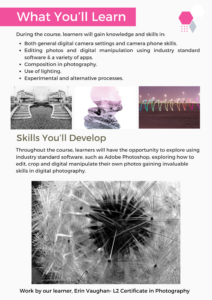
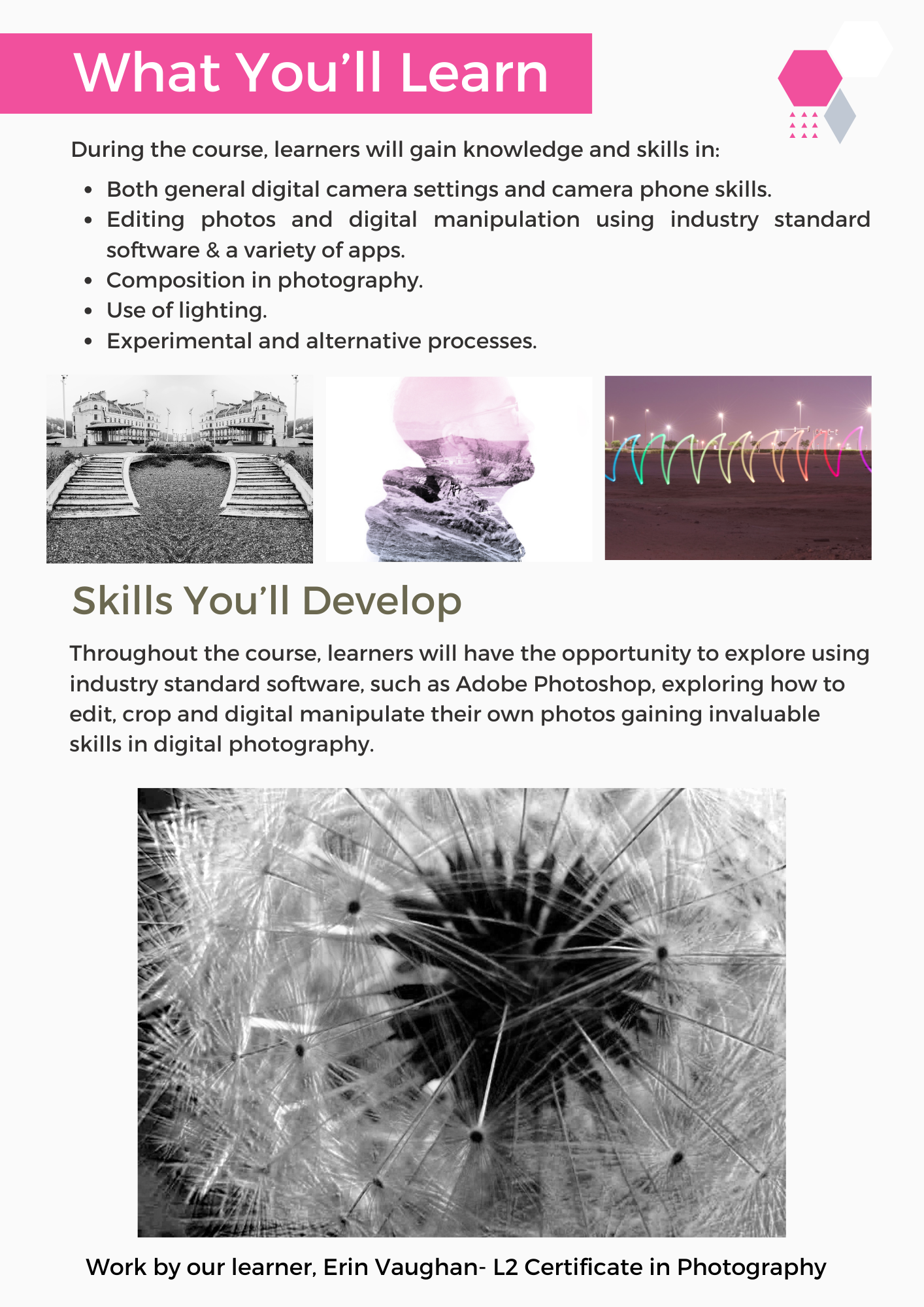
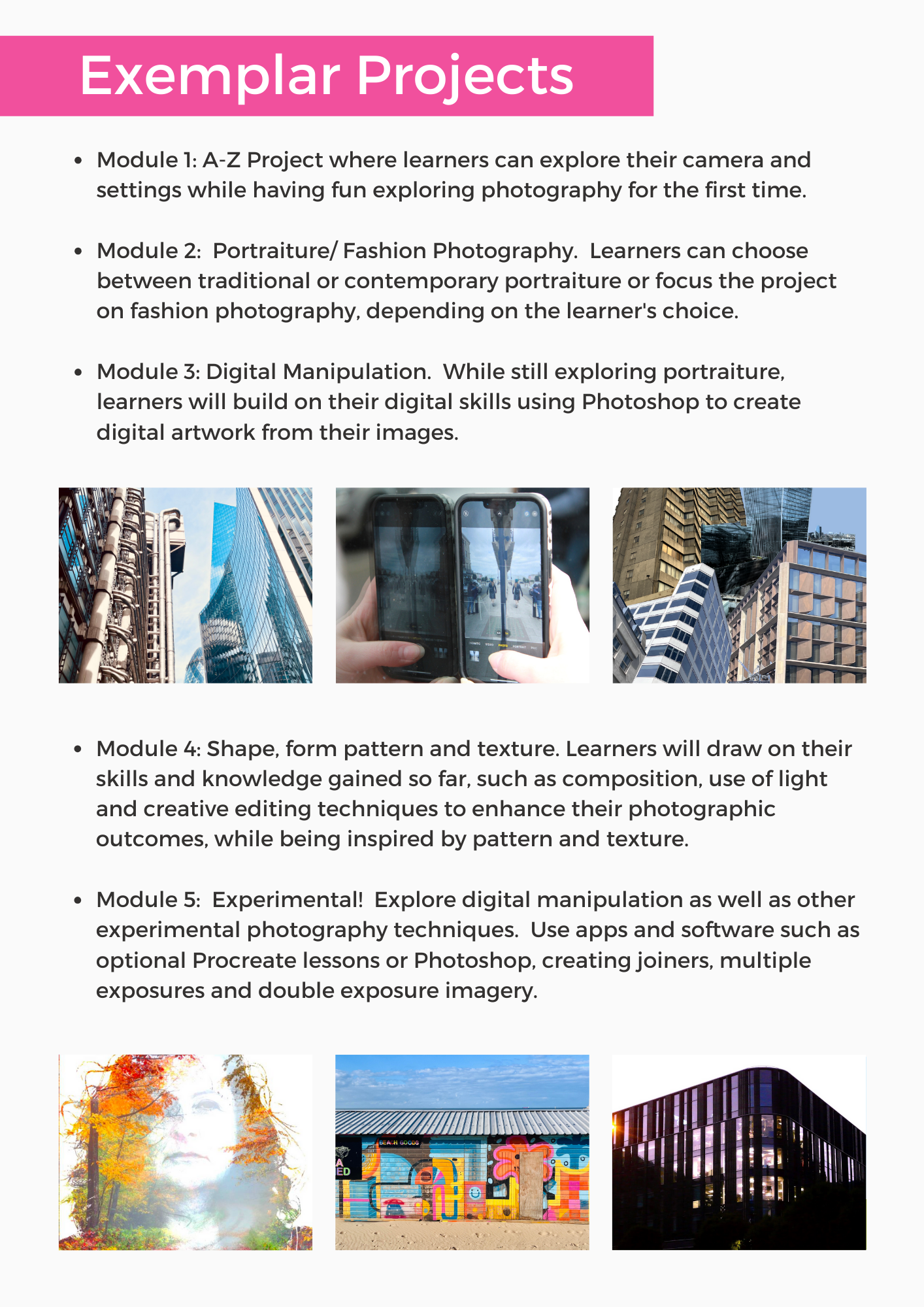
Throughout this course, learners will develop a comprehensive understanding and practical skills in a range of photography techniques, including:
- Mastering general digital camera settings
- Maximising the potential of camera phones
- Developing skills in Adobe Photoshop
- Cropping and editing photos with precision
- Applying a variety of filters and editing apps to enhance images
- Understanding composition principles in photography
- Effectively using lighting to create impact
- Exploring digital manipulation techniques
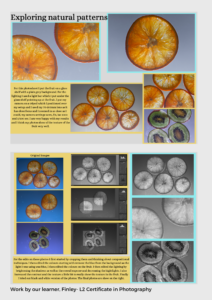
- Experimenting with alternative and creative photographic processes
This course is designed to empower you to take your photography to the next level, whether you’re a beginner or looking to refine your skills.
Objectives of this qualification:
- Use tools and equipment safely and competently
- Develop analytical and research skills
- Evaluate own work, developed ideas and learning through the design process
- Provide evidence of key skills attainment, where appropriate.
What could this qualification lead to?
Learners who achieve this qualification could progress onto other creative course provisions or higher education. As an example, here is a list of specialisms that learners may wish to progress to.
This is not an exhaustive list and please note this course could provide a route to many other photography based courses or interests.
- Level 3 Certificate in Photography
- Level 3 Diploma in Photography
- Level 3 Certificate in Art and Design
Additionally, the course will equip the learner will key skills to develop a portfolio of photography work.
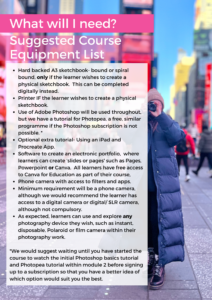
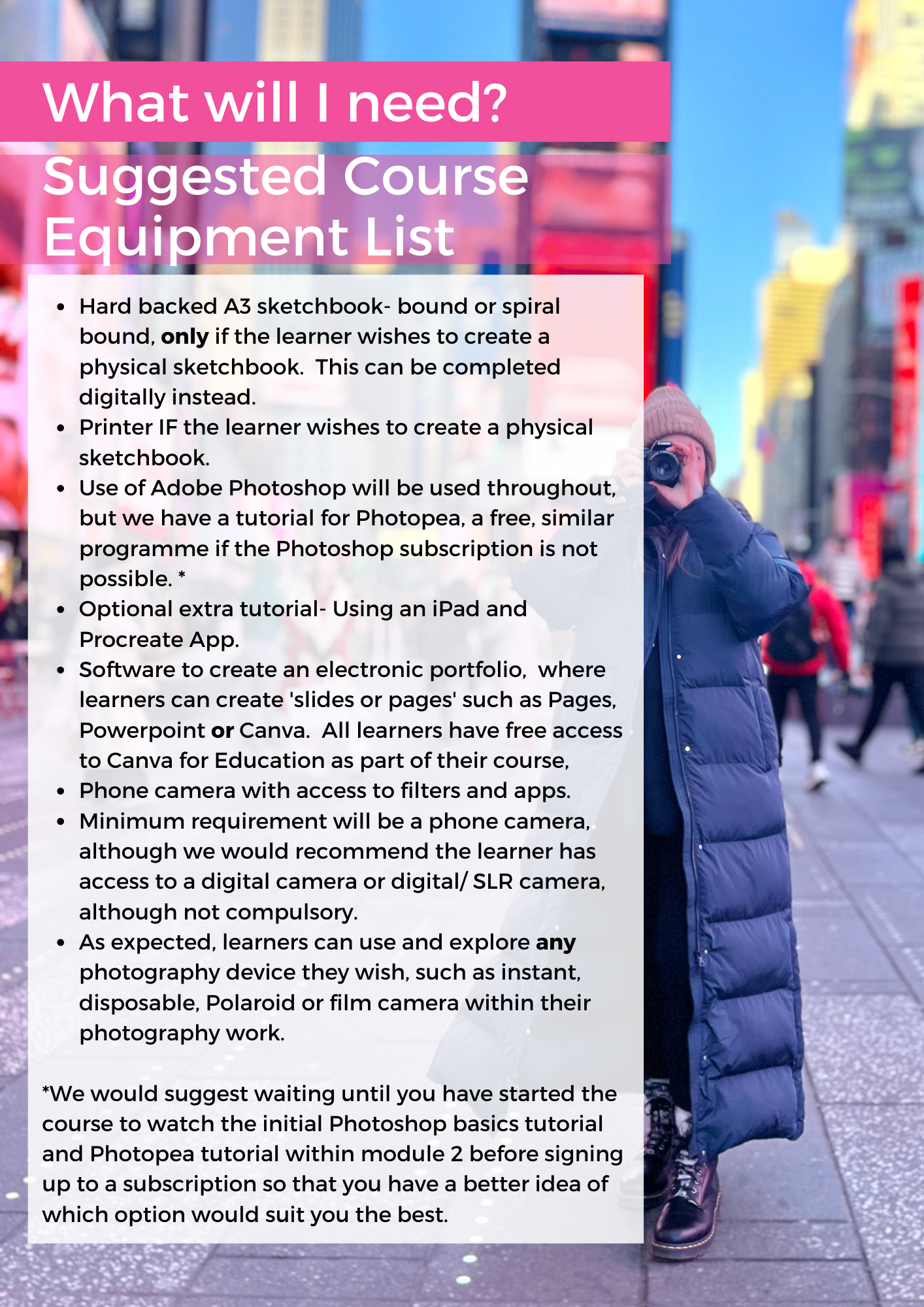
Suggested materials List
- Hard-backed A3 sketchbook — bound or spiral bound, but only if the learner wishes to create a physical sketchbook. This can also be completed digitally instead.
- Printer — if the learner wishes to create a physical sketchbook.
- Access to a laptop or computer capable of running software such as Photoshop.
- OPTIONAL ADDITIONAL TUTORIAL — iPad that can run Procreate.
- Software to create an electronic portfolio, where learners can compile slides or pages, such as Pages, PowerPoint, or Canva.
- Phone camera with access to filters and apps.
- The minimum requirement is a phone camera, although we recommend that the learner has access to a digital camera or digital/SLR camera, though this is not compulsory.
- As expected, learners are encouraged to use and explore any photography devices they wish, such as instant, disposable, Polaroid, or film cameras within their photography work.